
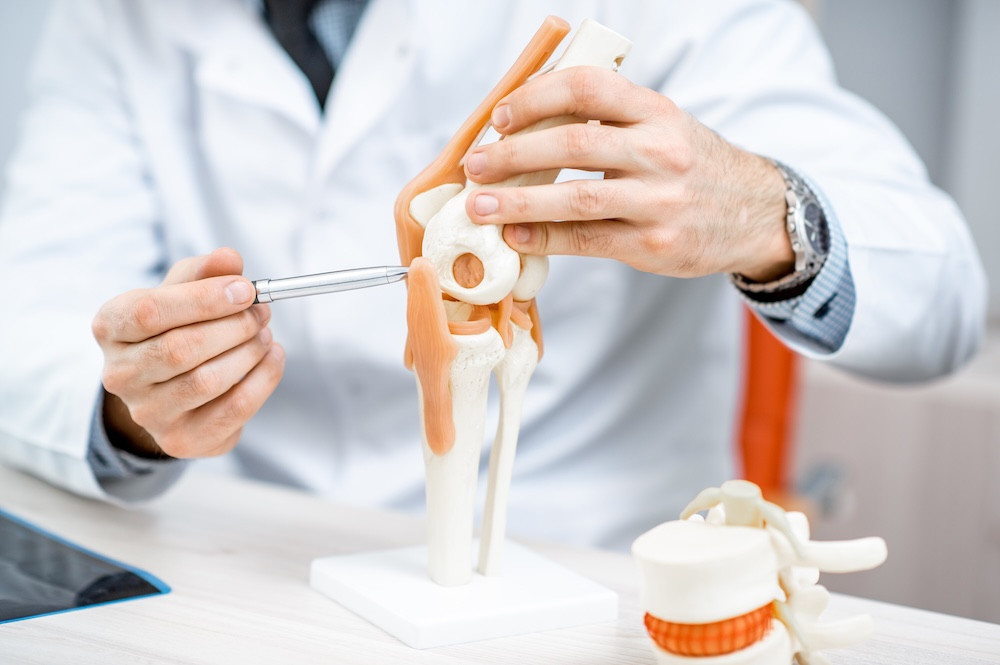
Patients Benefit When Orthopedic Doctors Collaborate With Their Therapists
Advanced orthopedics has changed the way patients recover from acute injuries and manage chronic conditions affecting the musculoskeletal system. Of course, treatment is just one part of the overall equation.
Today, many people benefit from care that blends orthopedic care with physical and occupational therapy. When these services work in tandem rather than isolation, patients often experience smoother recoveries and a clearer path toward long‑term function.
This blog explains how advanced orthopedic specialists and occupational therapists take a coordinated approach to care.
Advanced Orthopedic Treatment vs. Occupational Therapy: What’s the Difference?
Most orthopedic conditions are managed in phases rather than a one-and-done treatment. By extension, this means patients with musculoskeletal conditions will see different providers who play different roles in their recovery.
Phase One: Advanced Orthopedic Treatment
Advanced orthopedics focuses on diagnosing and treating conditions that affect bones, joints, ligaments, and muscles. Some conditions are acute, such as an ankle sprain. Other conditions are chronic, such as a lower back injury from several years ago that never healed correctly.
Patients who need advanced orthopedic care often experience pain that limits movement, injuries that do not improve with rest, or conditions that interfere with daily activities or work responsibilities.
Orthopedic doctors use specialized training and advanced tools to evaluate injuries and create treatment plans tailored to each patient’s needs. This level of care is especially valuable for issues such as complex fractures, ligament tears, joint instability, and degenerative conditions that require precise evaluation and targeted intervention.
What makes advanced orthopedics unique is its ability to address musculoskeletal problems directly. Treatment may involve internal imaging, injections, bracing, or surgical procedures designed to restore stability and function.
Phase Two: Therapy
Advanced orthopedic doctors diagnose and treat musculoskeletal conditions and injuries, but most patients require ongoing therapy to help them fully recover. In orthopedics, physical and occupational therapy are the two most common options, although not every patient requires both.
Physical therapy facilitates pain-free movement and mobility. It’s typically reserved for surgery patients, recovering athletes, patients with chronic conditions, and patients recovering from an acute injury.
Occupational therapy, on the other hand, focuses on helping patients regain the ability to perform everyday tasks. It helps patients rebuild the necessary strength and coordination to get dressed, cook a meal, take a shower, and several other practical skills.
For example, occupational therapy may include improving grip strength after a hand injury or helping patients adapt to new physical limitations using specialized devices. Ultimately, the intent of occupational therapy is to help people return to meaningful routines.
What Is the Value of Healthcare Coordination?
Healthcare coordination brings multiple providers together to create a unified treatment plan, which is especially valuable when thinking about treatment and recovery in terms of phases.
Instead of receiving care from separate clinics that may not regularly communicate, patients benefit from a team that shares information and collectively monitors progress.
For example, a patient recovering from a wrist fracture may need orthopedic treatment to ensure proper healing and occupational therapy to regain strength and dexterity. When these services are coordinated, the patient receives care that moves in the same direction rather than in disconnected steps.
Healthcare coordination also helps patients avoid common challenges such as conflicting recommendations or gaps in communication. When providers work together, treatment becomes more efficient and patients spend less time navigating separate systems. This leads to clearer expectations and smoother transitions between phases of care.
How We Bridge the Gap Between Orthopedic Care and Occupational Therapy
Seeking treatment through multiple providers can sometimes feel like a game of telephone for patients, especially for those with chronic conditions. Even with thorough medical notes, it can sometimes feel like details slip through the cracks when doctors are passing along a file rather than collaborating.
Mid‑America Orthopedics in Wichita uses healthcare coordination to bring advanced orthopedics, physical therapy, and occupational therapy together under one roof. This integrated model allows patients to receive comprehensive care without needing to manage multiple providers or travel between locations.
Our orthopedic doctors evaluate injuries, determine the best course of treatment, and collaborate directly with in‑house therapists. Occupational therapists then help patients rebuild and refine daily skills so they can reclaim independence. When physical therapy is needed, therapists work alongside the same team to improve strength and mobility.
This level of coordination creates a streamlined experience where each phase of care reinforces the next. For many individuals, this approach leads to faster recovery with fewer setbacks.
Connect With Our Advanced Orthopedic Team To Schedule An Exam
Advanced orthopedics gives patients access to specialized evaluation and treatment that directly addresses the source of pain or dysfunction. When combined with physical and occupational therapy, this creates a complete care pathway that supports long‑term mobility, strength, and independence.
If you’ve recently been injured, or have a chronic condition that affects your joints, muscles, tendons, or ligaments, the first step is getting a clear diagnosis. You can schedule a comprehensive exam today by contacting Mid-America Orthopedics in Wichita.
Once our advanced orthopedic specialists have completed your exam, they will walk you through your treatment options, what your specific recovery timeline looks like, and answer any questions that you have. Simply complete our online scheduling form to get started.