
Learn How To Prevent and Treat Sprains, Fractures, and Other Hand and Wrist Conditions
Winter is a great time to stay active, whether you’re skiing down the slopes, carving up fresh powder on a snowboard, or playing basketball indoors. However, with these activities comes a higher risk of hand and wrist injuries. Falls, awkward landings, collisions, and overuse can all lead to pain that affects daily life and lingers well after the snow melts.
So, why are these types of injuries such a huge concern? Because the hands and wrists are made up of many small bones, tendons, and ligaments, even a minor injury can make simple tasks more difficult.
That’s why many athletes turn to a hand doctor or hand specialist when they need help recovering. These experts understand the unique structure of the hand and wrist and can diagnose injuries that general providers may overlook. They also help patients manage conditions like arthritis in the hands, which can flare up during cold weather.
Below, we’ll explore the most common winter sports injuries, how to prevent them, and how treatment from a trained hand specialist near you can support a safe and strong recovery.
Common Winter Sports Hand Injuries
Winter sports put a lot of stress on the hands and wrists. Here are the most common problems athletes face.
- Wrist sprains caused by falls on icy slopes or hard courts
- Finger fractures from bracing for a fall or catching a basketball awkwardly
- Skier’s thumb, which is a ligament injury caused by gripping ski poles during a fall
- Snowboarder’s wrist, which is a common fracture from falling forward or backward
- Tendon injuries from overuse or sudden impact
- Dislocations of the fingers or wrist during high‑speed activities
- Worsening arthritis in the hands triggered by cold temperatures and repetitive motion
- Soft‑tissue bruising from collisions or equipment impact
These injuries can range from mild to severe, and many require evaluation from a hand specialist near you to ensure proper healing.
How To Prevent and Treat Hand and Wrist Injuries
Staying safe during winter sports starts with preparation and awareness. While not every injury can be avoided, many can be reduced with the right habits. When injuries do occur, proper treatment from a hand specialist is essential for long‑term recovery.
Prevention methods include:
- Wearing wrist guards during skiing, snowboarding, and skating.
- Strengthening hand and wrist muscles through simple exercises.
- Warming up before activity to improve flexibility and reduce stiffness.
- Using proper technique when gripping ski poles, catching a basketball, or landing from a jump.
- Avoiding overuse by taking breaks and listening to your body.
- Keeping hands warm to reduce stiffness and protect joints.
Treatment methods include:
- Evaluation by a hand doctor to diagnose fractures, ligament tears, or tendon injuries.
- Hand therapy to rebuild strength, mobility, and coordination.
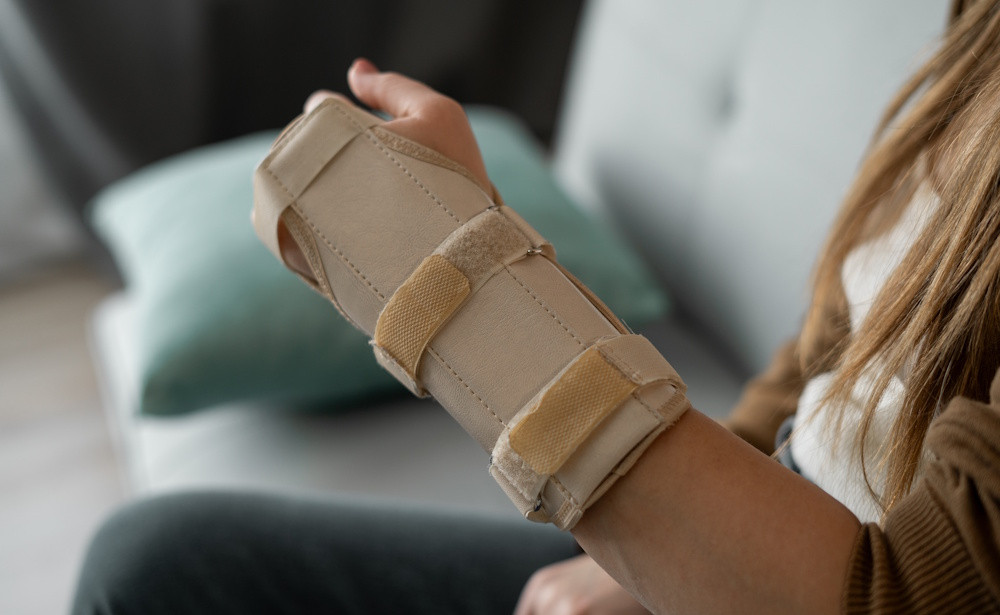
- Splinting or bracing to protect injured areas during healing.
- Anti‑inflammatory care to manage swelling and pain.
- Treatment for arthritis in the hands when cold weather worsens symptoms.
- Surgical care from a hand specialist for severe injuries that require advanced repair.
- Rehabilitation exercises to restore full function and prevent future injury.
Because the hand and wrist are complex, treatment is most effective when guided by orthopedic hand doctors who have specialized training in diagnosing and treating these injuries.
How a Hand Doctor Supports Winter Athletes
A hand doctor near you plays a key role in helping athletes recover quickly and safely. Their training allows them to identify injuries that may not be obvious at first, such as small fractures or ligament tears. They also understand how winter sports place unique stress on the hands and wrists.
A hand specialist can:
- Create a personalized treatment plan.
- Provide advanced imaging to confirm the injury.
- Offer targeted hand therapy.
- Recommend protective gear or technique adjustments.
- Treat flare‑ups of arthritis in the hands.
- Guide athletes through safe return‑to‑sport timelines.
This level of care helps prevent long‑term complications and supports a stronger recovery.
Recover More Effectively With Professional Hand Care
Winter sports are exciting and a great form of exercise, but they come with risks, especially for the hands and wrists. Whether you’re dealing with a fresh injury, a flare‑up of arthritis in the hands, or lingering pain from past seasons, getting help from a hand specialist near you is one of the best steps you can take.
A trained hand doctor can diagnose the problem, recommend the right treatment, and guide you through hand therapy that restores strength and mobility. With the right care, you can return to skiing, snowboarding, basketball, and other winter activities with confidence.
If you’re experiencing pain, stiffness, or limited movement, don’t wait for the problem to get worse. Contact a hand specialist near you so you can recover safely and protect your long‑term hand and wrist health.