
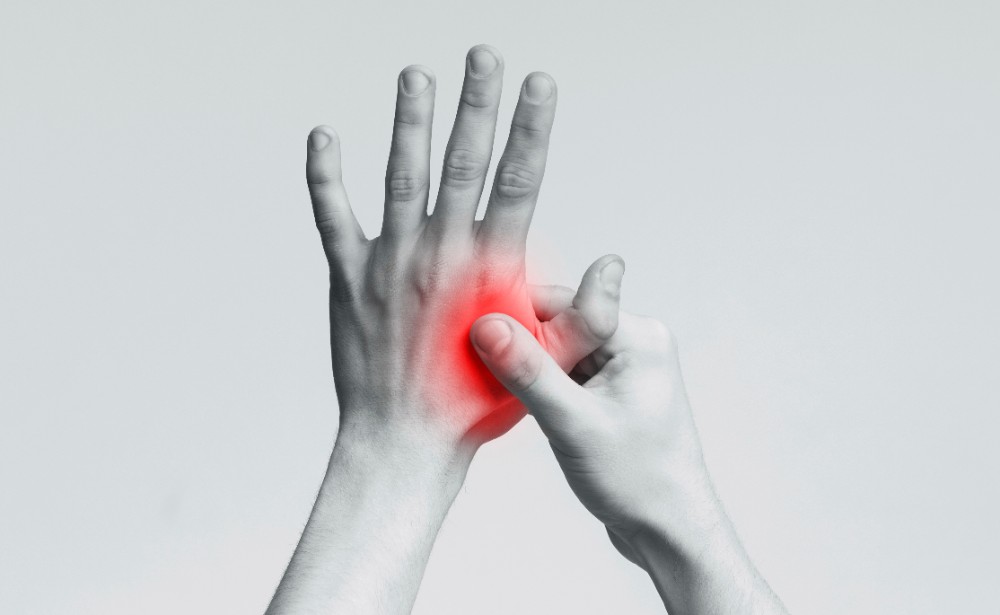
When To See a Hand Specialist Near You for Treatment
Household chores, exercise, recreational sports, and increased computer or phone use can all place extra strain on the hands and wrists. Over time, these repeated motions can lead to painful overuse conditions that limit movement and affect daily tasks.
Learning how to recognize early warning signs and practicing prevention strategies can go a long way toward protecting hand health. And when symptoms persist, knowing when to contact a hand specialist near you becomes just as important.
Common Overuse Conditions and Their Symptoms
Overuse conditions develop gradually as tissues experience repeated stress without enough time to rest and recover. Below are some of the most common hand and wrist problems that appear during high-activity seasons.
Tendonitis
Tendonitis occurs when the tendons become irritated or inflamed from repetitive use. In the hands and wrists, tendonitis often affects grip strength and fine motor control.
Common symptoms include:
- Dull or sharp pain during movement.
- Swelling or warmth near the affected tendon.
- Stiffness, especially after rest.
- Pain that worsens with activity.
Early care from a hand doctor near you can help prevent chronic tendon damage.
Trigger Finger
Trigger finger develops when a finger tendon becomes irritated and catches during movement due to repetitive gripping, overuse, or medical conditions like diabetes. Over time, the tendon may thicken, making it difficult for the finger to bend or straighten smoothly.
Common symptoms include:
- Finger stiffness, especially in the morning.
- Clicking or popping when moving the finger.
- Tenderness at the base of the finger.
- Temporary locking in a bent position.
When left untreated, trigger finger may progress and require interventions guided by a hand specialist near you.
Wrist Strain
Wrist strain often results from repetitive lifting, twisting, or prolonged positioning, especially during activities like yard work or sports.
Common symptoms include:
- Aching or sharp wrist pain.
- Swelling after activity.
- Reduced grip strength.
- Difficulty supporting weight with the wrist.
A hand doctor can evaluate whether strain has evolved into a more serious condition.
Arthritis in the Hands
Often associated with aging, arthritis in the hands can get worse during periods of increased hand use like spring and summer. Repetitive stress may accelerate joint inflammation and stiffness.
How it impacts the musculoskeletal system
Cartilage breakdown leads to bone-on-bone friction, reducing flexibility and causing joint enlargement.
Common symptoms include:
- Joint pain and swelling.
- Morning stiffness.
- Reduced finger movement.
- Weak grip strength.
Early evaluation by a hand specialist can help manage symptoms and slow progression.
How To Prevent Hand and Wrist Conditions
While not every injury can be avoided, many overuse conditions respond well to consistent preventive habits.
Helpful prevention strategies include:
- Taking frequent breaks during repetitive tasks.
- Stretching fingers, hands, and wrists daily.
- Using proper tools that reduce gripping strain.
- Maintaining neutral wrist positioning when typing or lifting.
- Warming up hands before strenuous activity.
- Avoiding sudden increases in workload or intensity.
Incorporating these habits can reduce stress on tendons and joints and lower the chance of needing hand therapy near you later.
Where To Seek Treatment if Prevention Fails
Even with good habits, overuse injuries can still develop. Ongoing pain, stiffness, or limited motion should not be ignored.
Getting treatment from a hand doctor near you usually begins with a thorough evaluation. During the exam, the doctor will review your symptoms, activity history, and any prior injuries. A physical examination focuses on movement, strength, and areas of tenderness. In some cases, imaging may be used to better understand the condition.
Treatment options vary depending on the diagnosis and severity, but often begin with conservative care, such as rest, splinting, anti‑inflammatory measures, or referral for hand therapy. Therapy focuses on restoring movement, strength, and function while reducing pain.
If symptoms persist or get worse, further treatments may be recommended to prevent long‑term damage and maintain hand health.
Protect Your Hands With Care From a Hand Specialist Near You
Your hands are essential to almost everything you do. Spring activities place added demands on them, making prevention and early care especially important. By recognizing warning signs, practicing preventive habits, and knowing when to seek hand therapy, you can stay active and avoid long‑lasting problems.
If discomfort lingers, movement becomes limited, or weakness starts to interfere with daily activities, reaching out to a hand doctor near you can provide clarity. A hand specialist can evaluate what’s causing the issue and recommend treatment options that support healing and protect long‑term hand function.