
How a Physical Therapy Clinic Near You Helps You Enjoy an Active Summer
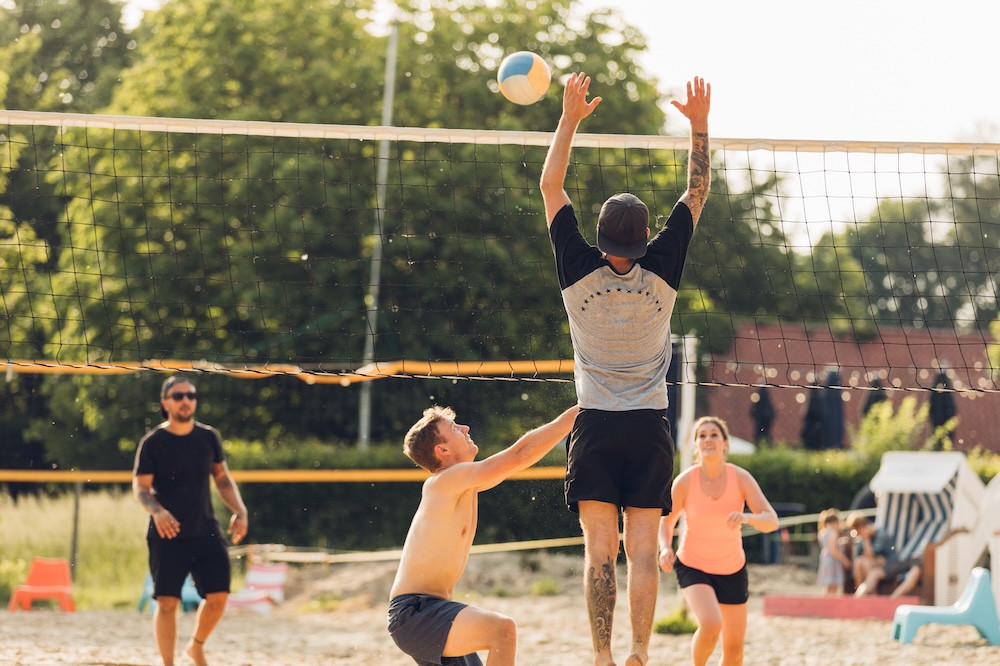
Stretching a single into a double. Hitting the perfect lob to the back corner of the court. Enjoying a quiet run on a warm evening. Or just catching up on yardwork before the summer sun rises.
Warm weather means more activity. For some, those increased activity levels put a strain on certain parts of the body. A tennis player may experience elbow pain. A runner may feel knee discomfort after their morning jog.
Overuse injuries are especially common this time of year because many people increase their activity level too much too quickly or engage in an activity that requires repetitive motion. When pain starts to interfere with movement, physical therapy can play an important role in recovery and long‑term injury prevention.
This guide explains the most common overuse injuries seen during summer activities and how a physical therapy clinic can help you return to the activities you enjoy.
Common Summer Sports‑Related Overuse Injuries
As much as you love playing pickleball or running outdoors, too much of a good thing can catch up to you.
Overuse injuries develop when a muscle, tendon, or joint is stressed repeatedly without enough time to recover. These injuries can affect athletes of all ages and skill levels, especially during the summer months when outdoor activity increases.
Baseball and Softball Injuries
Throwing sports place heavy demands on the shoulder and elbow. Pitchers and field players often experience rotator cuff irritation, tendon pain, or elbow strain from repetitive throwing motions. These injuries may start as mild soreness but can rapidly progress if ignored.
Tennis and Pickleball Injuries
Racquet sports involve quick swings, sudden stops, and repeated wrist and elbow movements. Tennis elbow, shoulder strain, and wrist tendon irritation are common. Players may also develop knee or ankle pain from frequent lateral movement.
Running Injuries
Warm weather encourages longer runs and more frequent training. Overuse injuries such as shin splints, Achilles tendon irritation, plantar fasciitis, and knee pain often appear when runners suddenly increase how much they run with little to no ramp-up period. Running on concrete or other hard surfaces can also cause pain or injury.
Yardwork and Home Projects
Even non‑sports activities can lead to overuse injuries. Repetitive lifting, pulling weeds, trimming hedges, or pushing heavy equipment can strain the back, shoulders, elbows, and knees. These injuries may feel like general soreness at first but can get worse without proper care.
How Sports Physical Therapy Can Help
When pain lingers or movement becomes limited, sports physical therapy can help identify the source of the problem and guide you toward a safe recovery. Physical therapists specialize in evaluating how the body moves and identifying which tissues are under too much stress.
A sports‑focused approach to physical therapy for sports injuries typically includes:
- A detailed evaluation of movement patterns.
- Strength and flexibility testing.
- Hands‑on treatment to reduce pain and improve mobility.
- Exercises that target the injured area and supporting muscles.
- Education on proper form and injury‑prevention strategies.
- A gradual return‑to‑activity plan tailored to your sport or routine.
The goal is not only to treat the current injury but also to help prevent it from returning. By improving strength, balance, and movement mechanics, physical therapy supports long‑term joint health and better performance.
How To Get Physical Therapy for Sports Injuries
To begin physical therapy, you must first be evaluated by a physician. This step is important because overuse injuries can look similar on the surface but have different underlying causes. A medical exam ensures you receive the correct diagnosis before starting treatment.
Once a physician confirms the injury, they can provide a referral for physical therapy. This applies to both sports‑related injuries and overuse injuries caused by everyday activities. After the referral is issued, a physical therapist can create a personalized treatment plan based on your diagnosis, activity level, and goals.
If you’re experiencing ongoing pain, stiffness, or swelling that doesn’t improve with rest, scheduling an exam is the first step toward getting the care you need.
Why Physical Therapy Matters for Long‑Term Recovery
Overuse injuries rarely improve on their own when activity continues. Early treatment helps protect the injured area, restore proper movement, and reduce the risk of long‑term problems. A structured plan from a physical therapy clinic gives you the tools to recover safely and return to your favorite summer activities.
People who stay active through sports, running, or outdoor routines often find that physical therapy provides the guidance they need for recovery and prevention. With the right evaluation and a focused treatment plan, you can stay strong, stay active, and enjoy the season without letting pain slow you down.