
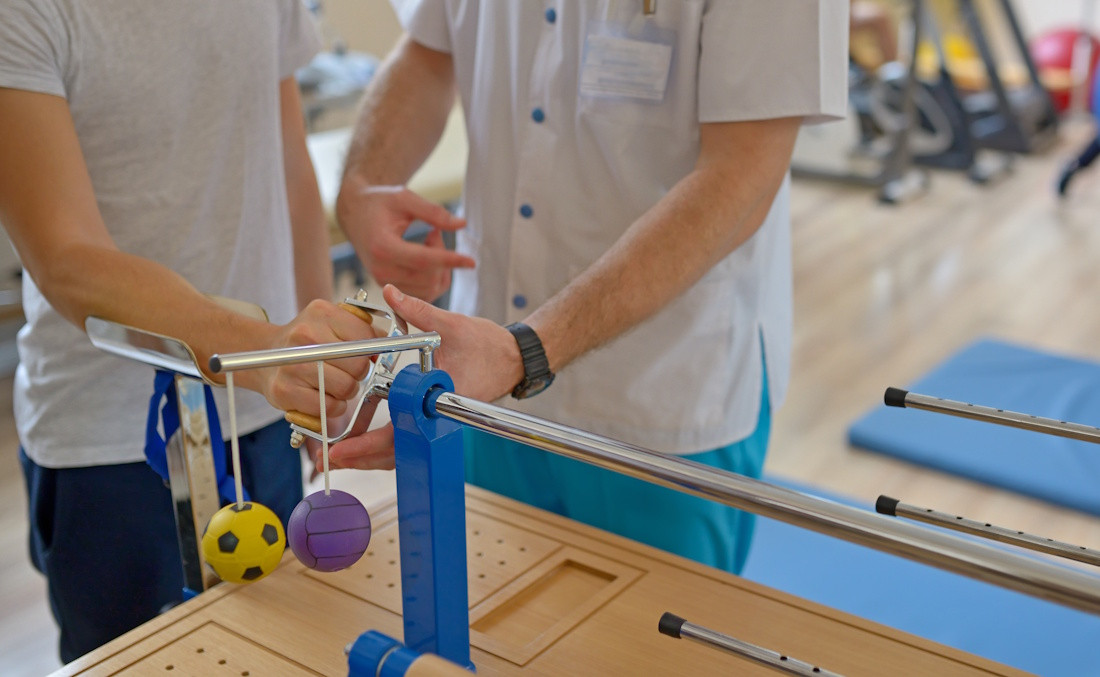
How Physical and Occupational Therapists Help Usher a Return To Daily Life
Some patients hear the terms physical therapy and occupational therapy and assume they are similar things. They may even use the terms interchangeably.
Although both play essential roles in recovery, they serve different purposes and support different stages of healing. Understanding the occupational vs. physical therapy comparison and what makes them distinct can help you make informed decisions about your care, especially when an injury affects your strength, mobility, and ability to perform daily tasks.
What Is Physical Therapy and Who Does it Help?
Physical therapy focuses on improving movement, strength, mobility, and overall physical function. Most recipients of physical therapy are patients who have recently been injured, are recovering from surgery, or require chronic condition management.
A physical therapy clinic or orthopedic practice typically works with patients who need help restoring mobility, rebuilding muscle and joint stability, and holistically managing pain.
Physical therapists use targeted exercises, stretching, manual therapy, and movement training to help patients regain physical ability. Their goal is to improve how your body moves so you can safely return to normal activities.
People who benefit most from physical therapy include:
- Individuals recovering from orthopedic injuries such as sprains, strains, or fractures.
- Patients healing after joint replacement or other orthopedic surgeries.
- Athletes working through sports‑related injuries.
- Adults experiencing chronic pain or limited mobility.
- Anyone who needs structured rehabilitation to restore physical strength.
Physical therapy is often the first step in recovery because it helps stabilize the body and improve movement patterns.
What is Occupational Therapy and Who Does it Help?
Occupational therapy focuses on helping patients perform everyday activities safely and independently. Whereas physical therapy improves movement, occupational therapy improves the ability to complete common daily tasks.
Occupational therapists work with patients to strengthen fine motor skills, improve coordination, adapt daily routines, and overcome limitations caused by injury, illness, or surgery. They also help patients learn new strategies or use supportive tools and devices to make daily tasks easier.
People who benefit most from occupational therapy include:
- Individuals recovering from hand, wrist, or elbow injuries.
- Patients who struggle with daily tasks such as dressing, cooking, or work‑related activities.
- Adults experiencing reduced grip strength or limited upper‑body function.
- Patients healing from neurological conditions that affect coordination.
- Anyone who needs help returning to normal routines after an injury.
Occupational therapy is especially valuable when an injury affects how you use your hands, arms, or upper body during everyday tasks.
Why Patients Sometimes Need Both Physical Therapy and Occupational Therapy
Unfortunately, some injuries affect both movement and daily function. In these cases, combining physical therapy and occupational therapy provides a more complete recovery plan. Scenarios where both therapies are recommended include:
Orthopedic Surgeries
After procedures such as rotator cuff repair, elbow surgery, hand surgery, or total joint replacement surgery, patients often need physical therapy to rebuild strength and occupational therapy to regain fine motor skills and functional use.
Complex Upper‑Body Injuries
Shoulder injuries, wrist fractures, tendon damage, and traumatic injuries can limit both movement and daily function. Physical therapy restores range of motion, while occupational therapy helps patients return to household activities and tasks at work.
Work‑Related Injuries
Jobs that require lifting, gripping, typing, or repetitive motion may require both therapies. Physical therapy improves strength and reduces pain, while occupational therapy helps patients safely return to job‑specific tasks.
Neurological Conditions
Stroke, multiple sclerosis, and other conditions that affect coordination or motor control often require a combination of therapies. Physical therapy supports balance and mobility, while occupational therapy helps patients adapt their daily routines to suit their capabilities.
Chronic Conditions That Affect Mobility and Function
Arthritis, tendonitis, and long‑term overuse injuries all impact movement and the ability to carry out day-to-day tasks. Using both therapies helps patients manage symptoms while maintaining their independence.
Choosing the Right Therapy for Your Needs
Understanding the occupational vs. physical therapy comparison helps patients make informed decisions about their care. Where you seek treatment also makes a big difference, as some occupational and physical therapy clinics are siloed while others are part of a larger healthcare organization.
One of the main advantages of working with Mid-America Orthopedics in Wichita is that advanced orthopedic care, physical therapy, occupational therapy, and sports medicine are all conveniently located under one roof, resulting in:
- Streamlined care: Patients move between physical therapy, occupational therapy, and orthopedic services without needing multiple referrals or travelling to different locations for follow-up treatment.
- Coordinated treatment plans:Physical therapists and occupational therapists work together to support both movement and daily function.
- Faster communication: Our physicians and therapists can collaborate in real time, reducing delays and ensuring treatment plans stay aligned.
- Convenient scheduling: Appointments can be arranged more efficiently when all services are located in the same place.
- Comprehensive support: If necessary, patients receive advanced orthopedic care, rehabilitation, and functional training as part of one unified treatment plan.
With our comprehensive offering of services and numerous conveniences we can offer patients, Mid-America Orthopedics delivers a cohesive and coordinated approach to recovery that supports both physical ability and everyday living.
If you’ve recently been injured, are managing a chronic condition, or require surgery in the immediate future, the Mid-America Orthopedics team is ready to guide you through it. Take the first step by contacting us to book your initial consultation and exam.
After learning more about you and your medical condition, your orthopedic physician will provide a diagnosis and a comprehensive treatment plan. Fill out our online form to get started.