
A Breakdown of What To Expect During a Total Joint Replacement Evaluation
A total joint replacement is often recommended by orthopedic physicians when joint damage begins to interfere with daily activities or overall quality of life. Because every patient’s situation is different, the evaluation process focuses on understanding the cause of joint pain, how long symptoms have been present, and how they affect movement.
A pre‑operative evaluation usually includes completing a physical exam and ordering imaging such as X‑rays or an MRI. Providers also discuss previous treatments and assess overall health to understand how these factors may influence joint replacement.
Further, individual patient factors such as age, weight, activity level, medications, and other medical conditions must also be considered. These details help determine whether joint replacement is appropriate and which type of procedure best fits the patient’s needs. The goal is to create a clear picture of what the process involves before moving forward.
How Hip Joint Replacement Surgery Works
A hip joint replacement involves removing damaged bone and cartilage and replacing them with artificial components designed to restore movement within the joint. While the specifics vary based on the patient’s condition, the general steps are similar across most procedures.
During surgery, the damaged portions of the hip joint are removed and replaced with:
- A new socket.
- A ball component.
- A stem that fits inside the thigh bone.
These parts work together to create a smooth, stable joint surface. The procedure may be performed using different surgical approaches, and the choice depends on the patient’s anatomy, diagnosis, and surgeon preference.
Most patients spend a short period in the hospital after surgery. Some may go home the same day, while others may stay overnight. This depends on mobility, pain control, and overall health.
Early recovery focuses on walking with assistance, protecting the joint, and beginning gentle exercises. Physical therapy typically starts soon after surgery and continues for several weeks.
How Knee Joint Replacement Surgery Works
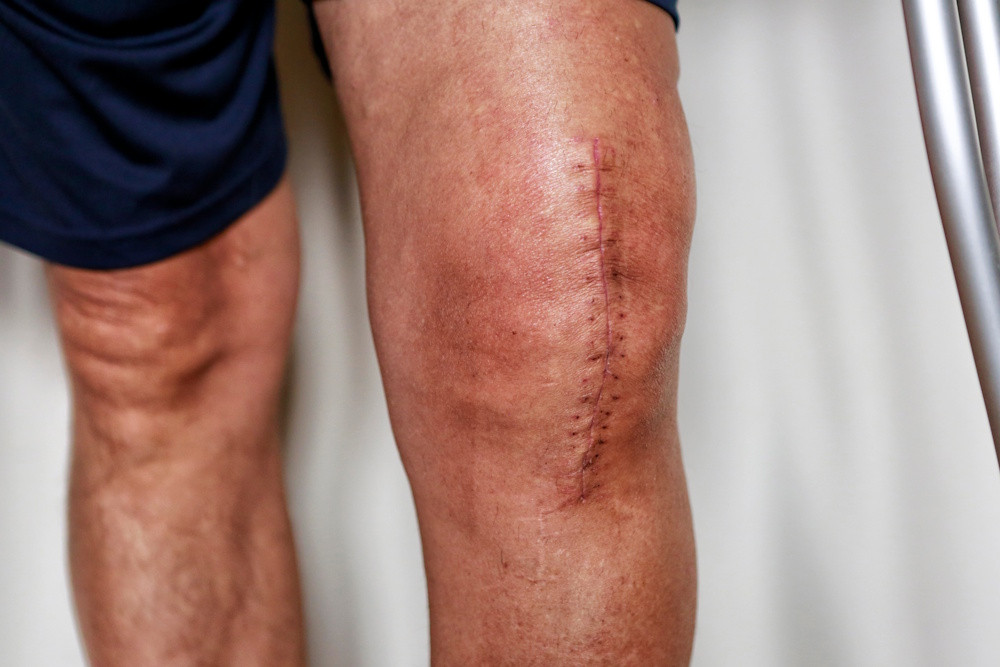
A knee joint replacement follows a similar concept but involves different structures. The procedure replaces the damaged surfaces of the knee joint with metal and plastic components designed to mimic natural movement.
During surgery, the surgeon removes damaged cartilage and bone from:
- The end of the thigh bone.
- The top of the shin bone.
- The underside of the kneecap (in some cases).
These surfaces are then replaced with components that create a smooth, stable joint. As with hip replacement, the exact technique varies based on the patient’s condition and anatomy.
Hospital stays for knee replacement also vary. Some patients return home the same day, while others may stay overnight. Early recovery focuses on walking with support, managing swelling, and beginning exercises that restore motion.
Physical therapy is a major part of knee replacement recovery. Most patients participate in structured therapy for several weeks to improve strength, flexibility, and stability.
How Ankle Joint Replacement Surgery Works
An ankle joint replacement is less common than hip or knee replacement but follows the same general principle: damaged joint surfaces are replaced with artificial components that allow smoother movement.
The evaluation process for ankle replacement is often more detailed because ankle arthritis can develop from injury, instability, or long‑term wear. Recovery timelines widely vary, and weight‑bearing restrictions may be stricter than those for hip or knee procedures.
Hospital Stay Expectations for Joint Replacement
Hospital stays depend on the type of surgery, the patient’s health, and how quickly they regain mobility. Many joint replacement procedures now qualify for same‑day discharge, but some patients benefit from staying overnight for monitoring and early rehabilitation.
During the hospital stay, patients typically:
- Begin walking with assistance.
- Learn how to protect the joint.
- Receive guidance on home safety.
- Start basic exercises.
- Review medication instructions.
The care team also ensures that pain is managed appropriately and that the patient can move safely before going home.
Recovery Timeline After Joint Replacement
Recovery varies widely based on the joint involved, the patient’s health, and the complexity of the procedure. While timelines differ, most recoveries follow a similar structure:
Early Recovery (first few days to weeks)
Patients focus on walking with support, managing swelling, and performing gentle exercises. Physical therapy begins early and continues regularly.
Mid‑Recovery (several weeks after surgery)
Strength, mobility, and balance improve. Many patients increase activity levels and continue structured therapy.
Long‑Term Recovery (months after surgery)
Patients gradually return to daily routines, work tasks, and recreational activities based on their provider’s guidance.
Because every patient’s situation is unique, recovery timelines are always individualized. Factors such as age, activity level, medical conditions, and the type of joint replaced all influence the process.
Understanding Joint Replacement as a Step‑By‑Step Process
Joint replacement can feel overwhelming, especially for patients who have delayed the conversation due to uncertainty about surgery. Learning how the evaluation works, what happens during hip or knee replacement, and what recovery typically involves can make the process easier to understand.
While every treatment plan is personalized, the overall structure, including evaluation, surgery, hospital stay, and recovery, remains consistent across most procedures. Knowing how hip, knee, or ankle replacement is performed can make the idea of surgery feel less overwhelming. It also gives patients a clearer sense of what conversations to have with their care team.
If joint pain is beginning to affect daily activities or long‑term mobility, scheduling an appointment with an orthopedic doctor is a helpful first step in understanding whether joint replacement may be appropriate.